The number on your screen might not be who’s calling: how to check a call is real
As at 23 October 2026. General information from Scamwatch, ACMA and WA Police.
Updated 23 October 2026: added How we can help.
A caller can choose what you see before you even say hello. Your bank’s number, a police station’s number, a local area code: the part of the call we’re quickest to trust can be the part the scammer picked.
What happened

ABC News published a video on 21 October in which a Perth man says he received a call from a WA police station phone number, from a scammer claiming to be from the Australian Federal Police (AFP). (ABC News video, 21 October 2026)
It isn’t new. On 24 June 2026, WA Police warned of a spike in scams by people impersonating its officers, including callers using phone numbers linked to real police stations to try to get personal, financial and cryptocurrency details. (WA Police, 24 June 2026)
Why caller ID isn’t proof: caller ID spoofing explained
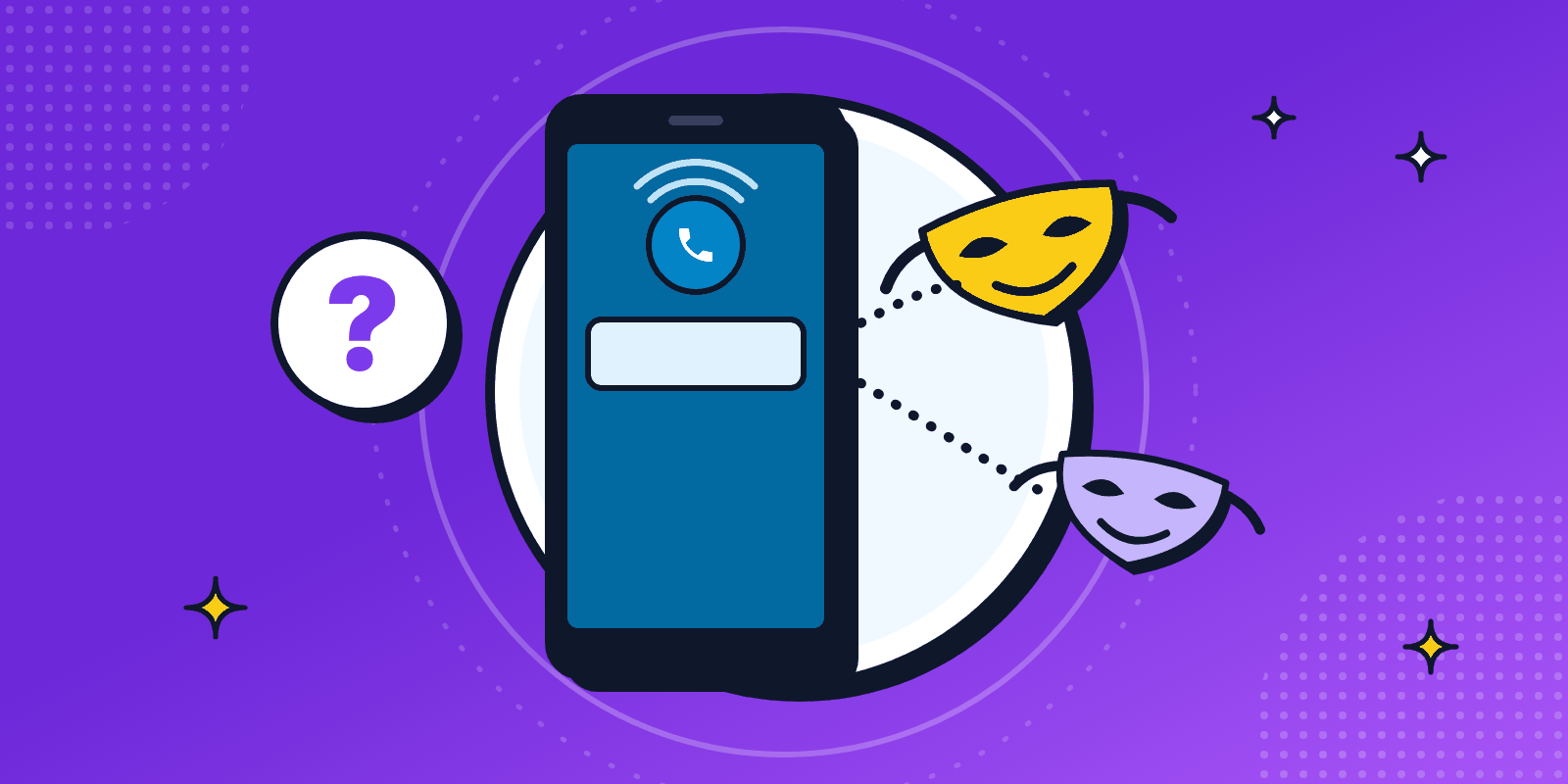
The Australian Communications and Media Authority (ACMA) says the number that appears when your phone rings may not be the caller’s actual number.
Showing a different number can be legitimate. ACMA explains that some businesses legally display an Australian number on calls from an overseas call centre, so you recognise who’s calling. When it’s done to scam people, ACMA calls it spoofing: the scammer hides their real number and displays a different one, often Australian, because that makes you more likely to answer. (ACMA: Caller ID scams)
Scamwatch says phone scammers pose as government, law enforcement, banks and telcos, and that the caller may already know some details about you, such as your name or address. So a familiar number plus a few correct details still doesn’t tell you who’s on the line. (Scamwatch: Phone scams)
Warning signs
Scamwatch says it’s probably a scam call if the caller:
-
asks for payment, or for you to move money between accounts
-
asks for your password, PIN, one time code or other security information
-
asks for card or banking details to process a refund or “overpayment”
-
wants you to install software, or to access a secure account on your phone or computer
-
threatens you with immediate arrest, deportation or blackmail
-
suggests you or your accounts have been hacked or involved in fraud
WA Police says it won’t ask for personal financial details, demand payment, direct you to transfer cryptocurrency or other assets, request remote access to your devices, or threaten you with arrest.
Hang up, look it up, call back
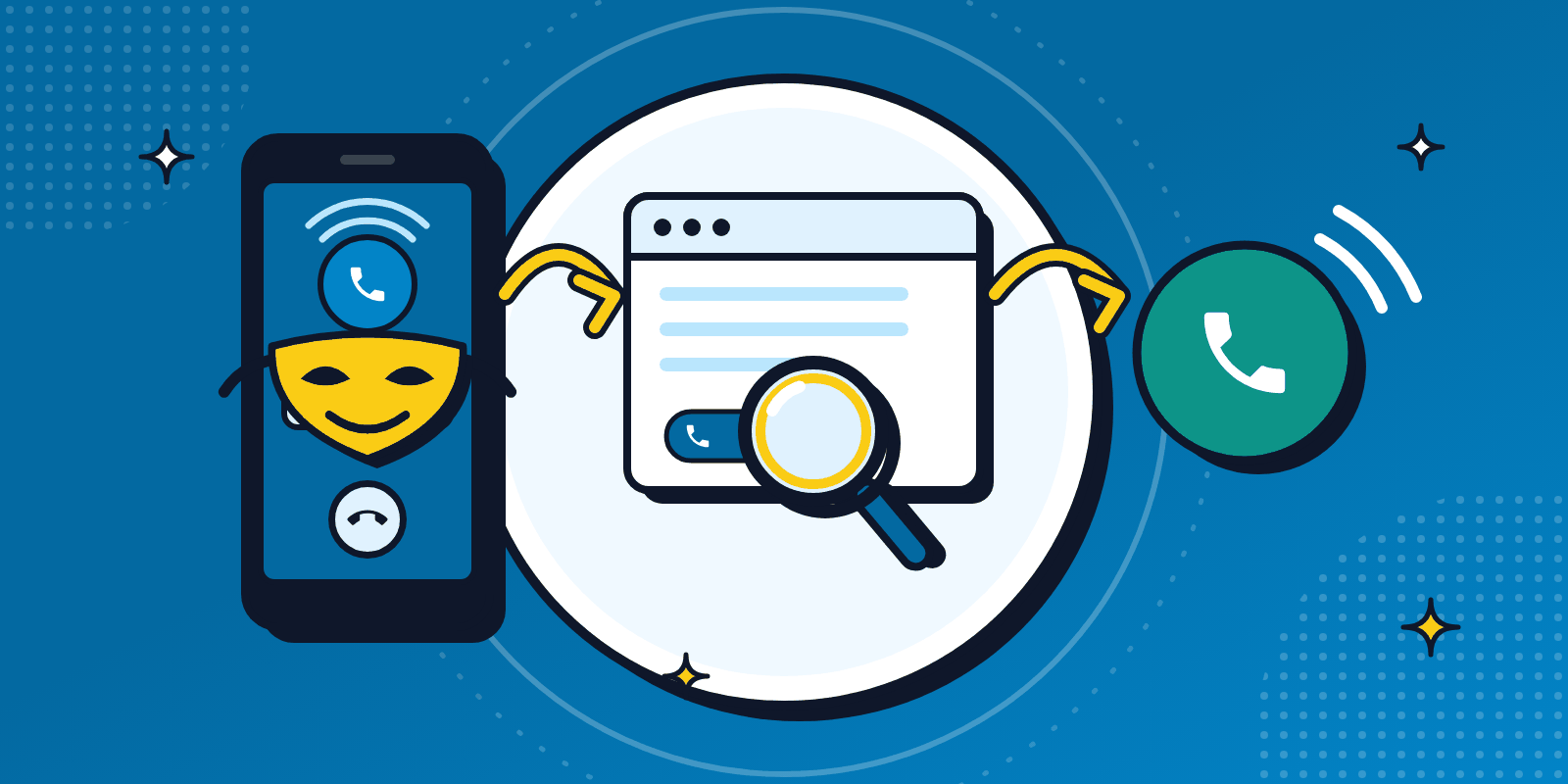
The advice from Scamwatch and ACMA comes down to three moves:
-
Hang up. Scamwatch says if you’re not sure a caller is who they say they are, it’s OK to hang up.
-
Look it up. Don’t use a number, link or email the caller gives you. Find the organisation’s number yourself, on its official website or app. For your bank, the number on your statement or card works too.
-
Call back. Ring that number and ask whether the call was real.
Scamwatch also suggests letting calls from unknown numbers go to voicemail. And it points out you can still get scam calls even if you have a private number or are on the Do Not Call Register.
Here’s the part worth noticing. Hanging up on someone who sounds official feels rude, and scammers rely on that. The polite fix is to make calling back the normal thing to do, so nobody has to decide on the spot whether a caller is genuine. The number you can rely on is the one you look up yourself, on the official website or app, and dial yourself.
For your business: what to tell whoever answers the phone
- Make it the house rule. Anyone who answers your business phone or a work mobile can hang up, look up the number and call back, especially when a caller says they’re the police, the bank, the ATO or a supplier.
- Give them the words. “Thanks, I’ll call you back on the number on your website.” A genuine caller shouldn’t mind.
- No remote access on request. Scamwatch says not to give anyone remote access to your computer.
- No rushing. Scamwatch says scammers create a sense of urgency, so don’t let anyone pressure you into acting straight away.
- If people say you called them. ACMA says that if people tell you they missed a call from you, or accuse you of being a scammer, when you didn’t call them, your number has likely been spoofed. ACMA suggests contacting your telco straight away, not answering calls from unknown numbers, and leaving a temporary voicemail message letting callers know.
How we can help
Scam calls are hard to stop before they ring. What we can help with is the link they send you after.
Our email security checks incoming email, including the links in it, and can block many known phishing emails before they reach your inbox.
As at 23 October, if we already look after your email security, this email checking is already switched on.
On computers with our web filtering, it checks the website when someone opens a link and can block many known scam sites.
It doesn’t screen calls or text messages. Hang up, look it up and call back is still the rule.
💬 Want a check sitting between your team and those links? Tell us what’s bugging you and we’ll tell you what’s involved. Call Carisa on 0448 017 919 or Kelly on 0429 727 091, or email contact@techtroubleshooters.com.au.
If you think you’ve been scammed
What to do next depends on what happened.
- Lost money or shared bank details? Contact your bank first, on the number from its app, website, statement or card, and ask it to stop any transactions. Then report it to police through ReportCyber at cyber.gov.au. (cyber.gov.au: Submit a report)
- Targeted but lost nothing? Report it to Scamwatch to help warn others. Scamwatch says its reports aren’t official police reports. (Scamwatch: Report a scam)
- Either way, let the organisation that was impersonated, and your phone company, know.
Scamwatch also suggests changing passwords and security details if you think they’ve been compromised, and calling IDCARE on 1800 595 160, which can help you make a plan to limit the damage.
Being scammed can feel overwhelming. Scamwatch points to Lifeline on 13 11 14 and Beyond Blue on 1300 22 4636 for support. (Scamwatch: Stop. Check. Protect.)
Not sure about a call?
Not sure about a call you got? Tell us what’s bugging you and we’ll tell you what’s involved. Contact us, email contact@techtroubleshooters.com.au, or call Carisa on 0448 017 919 or Kelly on 0429 727 091.
Can scammers fake the number that shows on my phone?
Yes. ACMA says the number that appears may not be the caller’s actual number, and scammers use spoofing to display a different number, often an Australian one.
How do I check if a call is real?
Hang up, find the organisation’s number yourself on its official website or app, and call back. Scamwatch says not to use contact details given by a caller.
What should I do if people say I called them, but I didn’t?
ACMA says your number has likely been spoofed. It suggests contacting your telco straight away and leaving a temporary voicemail message to let callers know.
Sources: ABC News video, 21 October 2026; ACMA: Caller ID scams; Scamwatch: Phone scams; Scamwatch: Stop. Check. Protect.; Scamwatch: Scammers impersonating banks, 18 October 2024; Scamwatch: Report a scam; cyber.gov.au: Submit a report; WA Police, 24 June 2026. Checked 23 October 2026.